Glaucoma Treatments
Glaucoma is a progressive eye condition that damages the optic nerve, often due to elevated pressure inside the eye. It can lead to permanent vision loss if not managed and because symptoms often don’t appear until damage has already occurred, it’s one of the leading causes of preventable blindness.
At West Coast Eye Associates, we provide comprehensive glaucoma assessments, monitoring, and ongoing care to help patients maintain their vision and quality of life.
Symptoms
-

Blurry Vision
-

Difficulty seeing in dim light
-

Loss of side (peripheral) vision
-

Halos around lights
-

Eye pressure or discomfort

What Is Glaucoma?
Glaucoma affects the optic nerve, the part of the eye responsible for sending visual signals to the brain. In most cases, it’s related to fluid buildup in the eye, which increases pressure and slowly damages the nerve.
Vision loss from glaucoma is typically gradual and painless, affecting peripheral (side) vision first. Because early symptoms are subtle or absent, glaucoma often goes unnoticed until more advanced stages.
Glaucoma is a chronic condition that requires lifelong follow-up. Even when your pressure is under control, regular monitoring is vital to prevent progression.
Types of Glaucoma
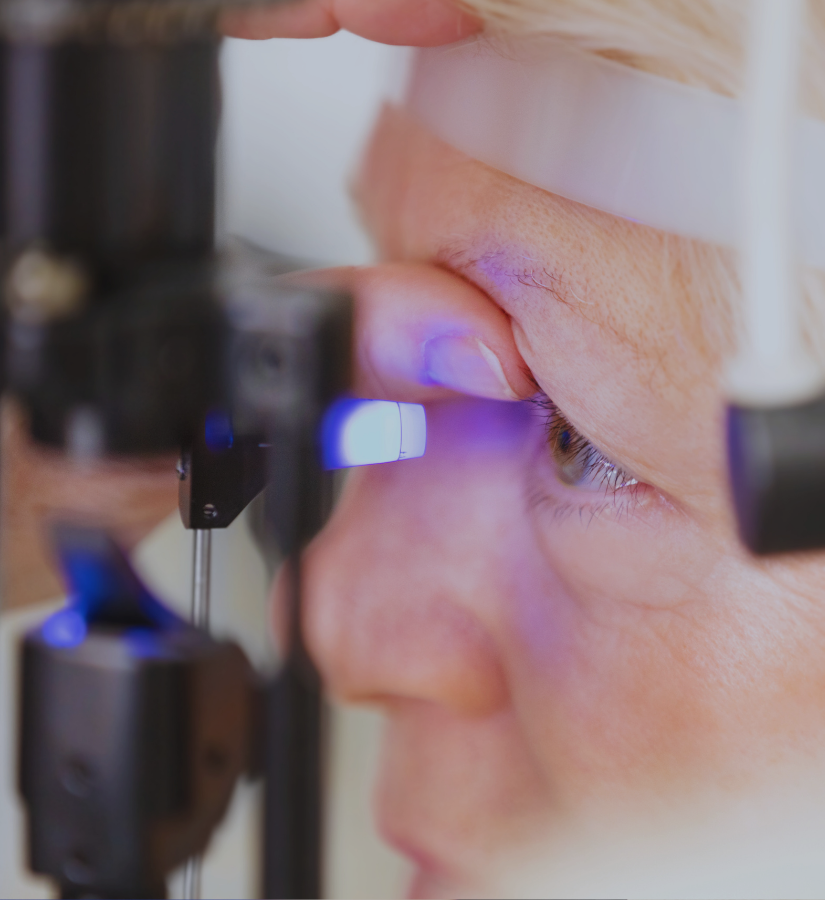
At your glaucoma assessment, we perform several quick, painless tests to evaluate the health of your optic nerve and eye pressure. Our experts will determine the type of glaucoma you have and tailor your treatment accordingly.
-
This is the most common type of glaucoma, especially in adults over 60. It develops slowly and silently over time. In POAG, the drainage angle of the eye remains open, but the trabecular meshwork (the eye’s drainage system) becomes less efficient, causing pressure to build gradually. Most people with POAG don’t notice symptoms until peripheral vision begins to decline and by then, damage is often permanent. Regular eye exams are essential for early detection.
-
Also known as narrow-angle glaucoma, this type occurs when the drainage angle between the iris and cornea suddenly becomes blocked, causing a rapid rise in eye pressure. It can come on quickly and is considered a medical emergency. Symptoms may include sudden eye pain, headache, nausea, blurred vision, and seeing halos around lights. Immediate treatment is necessary to prevent vision loss. Some people have narrow angles and may not know they’re at risk until an attack occurs, these cases can sometimes be detected in a routine eye exam.
-
In this type, the optic nerve is damaged even though eye pressure is within a normal range. The exact cause isn’t fully understood, but it may be related to poor blood flow to the optic nerve or increased sensitivity of the nerve itself. NTG is more common in people of Asian descent and in those with a family history. Because pressure levels may appear normal on routine checks, optic nerve imaging and visual field testing are especially important in identifying NTG early.
-
Secondary glaucoma develops as a result of another eye condition, trauma, or medication. It can be caused by inflammation (uveitis), eye injuries, long-term use of corticosteroids, diabetes, or complications from previous eye surgeries. Treatment focuses not only on lowering eye pressure but also on addressing the underlying cause.
Treatment Options
-
Prescription Eye Drops
The most common first-line treatment. These lower pressure by reducing fluid production or improving drainage.
-
Laser Therapy
A safe, in-office procedure that helps fluid drain more effectively, often reducing the need for daily drops.
-
Surgery
In more advanced or resistant cases, surgery may be necessary to create new drainage channels or implant drainage devices.
Frequently Asked Questions
-
Glaucoma is detected through a series of painless tests during an eye exam, including:
Eye pressure measurement (tonometry)
Visual field testing
Optic nerve imaging (OCT)
Examination of the eye’s drainage angle (gonioscopy)
These tests help catch glaucoma early, even before symptoms appear.
-
No, glaucoma is not curable but it is treatable and manageable. While any vision loss from glaucoma is permanent, treatment can slow or stop further damage. With proper care, most patients can maintain stable vision throughout their lives.
-
Your risk is higher if you’re over 60, have a family history of glaucoma, are diabetic, or are very nearsighted. People of African, Asian, or Hispanic descent are also at increased risk. Routine screening is important, especially if you fall into a higher-risk group.
-
In most cases, treatment for glaucoma will not improve vision that has already been lost. Glaucoma damage is permanent because it affects the optic nerve. However, treatment is highly effective at slowing or stopping further vision loss. The goal is to preserve your remaining vision and prevent progression. If caught early and managed properly, many patients maintain stable vision for life.
-
To help us provide the best care during your visit, please bring the following:
Your BC Services Card (CareCard) or photo ID
A list of current medications, including eye drops or supplements
Medical history information, especially if you have diabetes, high blood pressure, or any previous eye conditions
Your current glasses or contact lens prescription
A driver or companion, as your eyes may be dilated for testing and your vision could be blurry afterward
Bringing these items ensures a smooth and complete assessment of your eye health.