Medical Retina Treatments
If you’ve been diagnosed with a retinal condition like diabetic retinopathy, macular degeneration, or retinal vein occlusion, you’re in the right place. These conditions can gradually affect central vision and often require regular monitoring and treatment to protect long-term sight.
Retinal conditions often require lifelong care. With over 40 years of experience and advanced diagnostic technology, our team is here to support you through every stage from diagnosis to long-term management.
Symptoms
-
Blurry Vision
-
Difficulty reading or recognizing faces
-

Sudden vision loss or visual “curtains”
-

Colors appearing dull or faded
-

Dark or empty spots in your central vision
What Is the Retina?
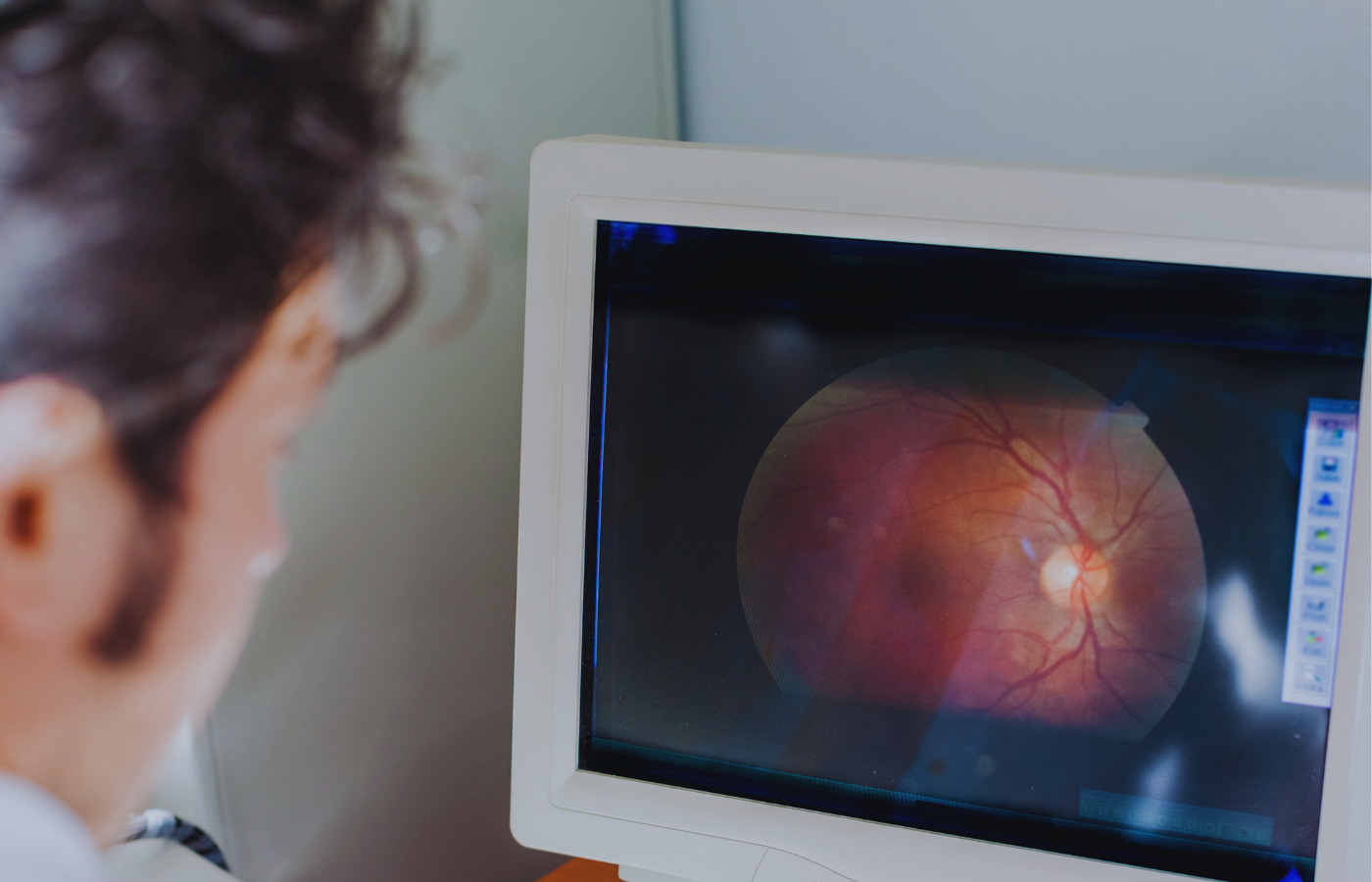
The retina is a thin layer of tissue at the back of the eye that senses light and sends visual signals to your brain. It plays a critical role in your ability to see clearly. If the retina becomes damaged due to age, disease, or injury, it can lead to vision loss — sometimes permanently if left untreated.
Our clinic offers medical (non-surgical) care for a range of retinal conditions. Early diagnosis and consistent follow-up are key to protecting your vision.
Common Retina Conditions
These conditions can cause blurred or distorted vision, difficulty reading or seeing fine detail, and in some cases, sudden or progressive vision loss. Most retinal conditions require ongoing monitoring, even if symptoms aren’t always noticeable.
-
A complication of diabetes that damages the blood vessels in the retina. It can cause bleeding, fluid leakage, or abnormal blood vessel growth, leading to blurred or fluctuating vision — and in advanced cases, vision loss. Early detection and routine monitoring are essential.
-
An age-related condition that affects the macula, the part of the retina responsible for sharp central vision. AMD can be dry (slow and gradual) or wet (faster and more severe due to abnormal blood vessels). It may cause blurriness, distortion, or difficulty seeing fine detail.
-
Occurs when a vein in the retina becomes blocked, often due to high blood pressure or other vascular issues. This leads to fluid buildup (edema), swelling, and potential vision loss. RVO often requires ongoing monitoring and treatment with intravitreal injections.
Treatment Options
-
Intravitreal Injections
Medications (like anti-VEGF or steroids) are injected directly into the eye to reduce swelling, control bleeding, or slow abnormal blood vessel growth.
-
Laser Therapy
Used in some cases to seal leaking vessels or reduce fluid buildup in the retina.
-
Medication Management
For systemic conditions like diabetes or hypertension that may contribute to retinal damage.
-
Ongoing Monitoring
Regular follow-ups and imaging are essential to adjust treatment and prevent further vision loss.
Frequently Asked Questions
-
We use advanced imaging tools like OCT scans, fluorescein angiography, and retinal photography to examine the retina in detail. These tests are non-invasive and help us track disease progression over time.
-
Yes, many retinal conditions require ongoing care. You may need a series of injections, regular imaging, or long-term monitoring to keep your condition under control and protect your vision.
-
Intravitreal injections are commonly used to treat various retinal conditions. Before the procedure, numbing eye drops are applied to minimize discomfort. Most patients experience little to no pain during the injection. Some might feel slight pressure or a momentary sting, but the procedure is quick and well-tolerated.
-
While treatments aim to prevent further vision loss and, in some cases, improve vision, outcomes vary based on the condition and its severity. Early detection and prompt treatment offer the best chance for maintaining or improving vision. It's essential to have realistic expectations and our experts will discuss potential outcomes.
-
To help us provide the best care during your visit, please bring the following:
Your BC Services Card (CareCard) or photo ID
A list of current medications, including eye drops or supplements
Medical history information, especially if you have diabetes, high blood pressure, or any previous eye conditions
Your current glasses or contact lens prescription
A driver or companion, as your eyes may be dilated for testing and your vision could be blurry afterward
Bringing these items ensures a smooth and complete assessment of your eye health.