Cataract Surgery
A cataract is the clouding of the eye’s natural lens, which is located just behind the iris (the colored part of the eye). Much like a camera lens, this natural lens helps focus light onto the retina to produce a clear image. When a cataract forms, the lens becomes cloudy — preventing light from focusing properly and causing your vision to become blurry or dim.
Symptoms
-

Blurry Vision
-

Difficulty Seeing at Night
-

Frequent Prescription Changes
-

Halo or Glaring Around Light
-

Sensitivity to Light
Cataract Treatments
Surgery is the only effective treatment for cataracts. Cataract surgery is a safe and effective outpatient procedure that involves removing the clouded natural lens of the eye and replacing it with a clear, artificial intraocular lens (IOL). This procedure typically takes about 15–30 minutes and is performed under local anesthesia, ensuring minimal discomfort.
We offer a range of Intraocular Lenses (IOL) options to suit different lifestyles and vision requirements, your ophthalmologist will discuss the best IOL option for you based on your eye health and lifestyle.
Types of Intraocular Lenses (IOLs)
-
Provide clear vision at one distance (usually far) and may require glasses for reading or close work.
-
Designed to provide clear vision at multiple distances, reducing the need for glasses.
-
Specifically designed to correct astigmatism, providing sharper vision for those with this condition.
What to Expect

Before Surgery
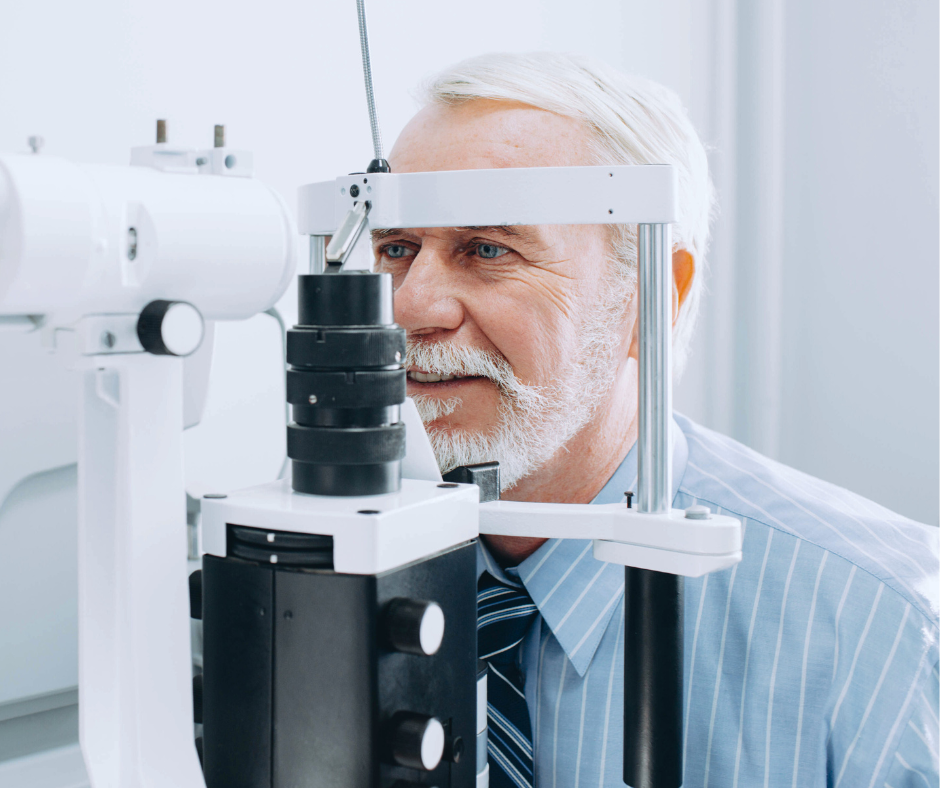
Before your procedure, you'll attend a biometry appointment, where we take precise measurements of your eye to choose the best lens for your vision. This visit lasts about 45 minutes and doesn’t require dilation. If you wear contacts, you’ll need to stop wearing them in advance (48 hours for soft lenses, 4 weeks for hard lenses). Your technician will also explain what to expect on surgery day and discuss your lens options.
Surgery Day
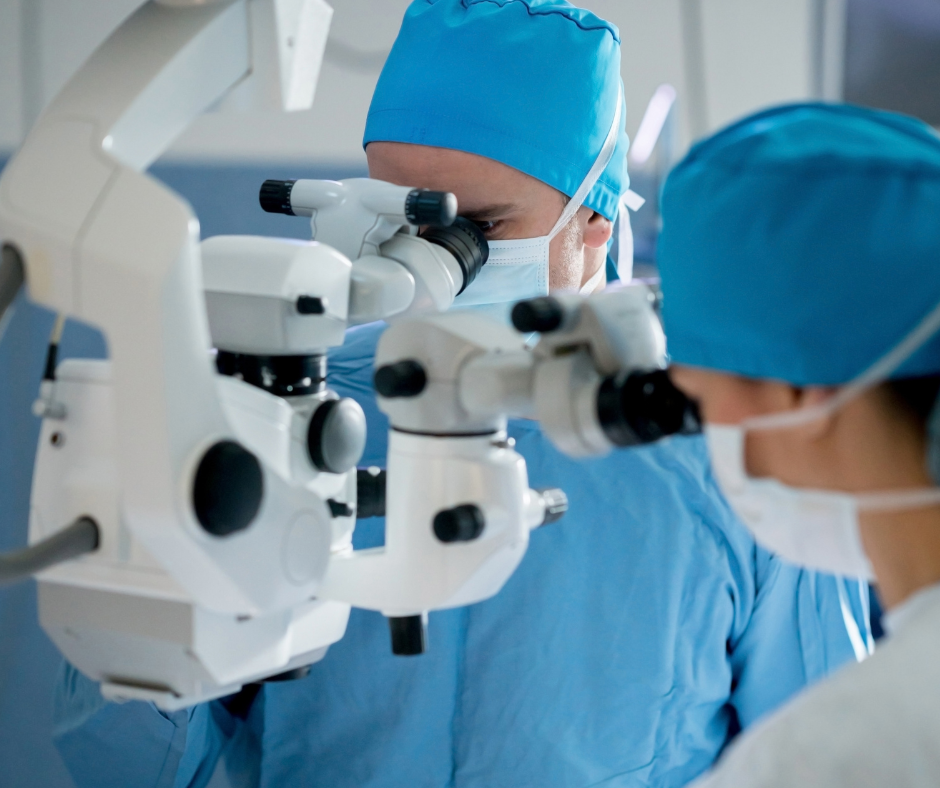
Cataract surgery is quick and painless, usually lasting 15–30 minutes. Your eye will be numbed with drops, and the cloudy lens will be gently removed and replaced with a clear artificial lens. After a short recovery in our clinic, you’ll go home the same day with a protective eye shield.

After Surgery
Most patients notice clearer vision within a few days. Mild irritation or light sensitivity is normal and temporary. You’ll use eye drops to support healing and attend follow-ups to monitor progress. Most people return to light activities within 24–48 hours.
Frequently Asked Questions
-
Yes. As a referral-only clinic, we require a referral from your family doctor or optometrist. Once we receive the referral, our team will contact you to arrange your consultation and pre-surgical assessments.
-
Basic cataract surgery, including the standard monofocal intraocular lens (IOL), is covered by the Medical Services Plan (MSP) of British Columbia. However, if you opt for premium lenses—such as multifocal or toric IOLs—additional costs may apply. These options and any associated fees will be discussed during your pre-operative consultation.
-
Yes. Cataract surgery is typically performed under local anesthesia with numbing eye drops. You will be awake but should not feel pain during the procedure. In some cases, a mild sedative may be administered to help you relax.
-
Recovery is generally smooth, but it takes time for your vision to fully stabilize. Most patients notice clearer, brighter vision within a few days, though full healing can take up to 4–6 weeks. It’s common to experience mild irritation, light sensitivity, or slight visual fluctuations during the first week — all of which typically improve quickly.
You’ll be given prescription eye drops to prevent infection and support healing, and you may need to wear an eye shield while sleeping. Light activities can usually be resumed within 24–48 hours, but avoid heavy lifting or bending. Your first follow-up appointment will happen 24 hours after surgery to monitor progress.
Adjusting to your new intraocular lens may take a bit longer, especially with premium lenses. Some patients notice glare or halos early on, but these usually resolve over time. Your doctor will let you know when it’s safe to drive again, typically once your vision meets legal standards. By the end of the healing period, most patients enjoy significantly improved vision and reduced dependence on glasses.
-
It depends on the type of IOL implanted and your individual vision needs. While many patients experience reduced dependence on glasses, especially for distance vision, you may still require corrective lenses for reading or other tasks. Your surgeon will discuss the best lens options for your lifestyle.
-
You should not drive immediately after surgery. Your ophthalmologist will advise when it's safe to resume driving, typically after your first post-operative visit confirms that your vision meets the necessary standards.
-
Cataract surgery is generally safe and has a high success rate. However, as with any surgical procedure, there are potential risks, including infection, bleeding, inflammation, or retinal detachment. Our experts will discuss these risks with you and take precautions to minimize them.